


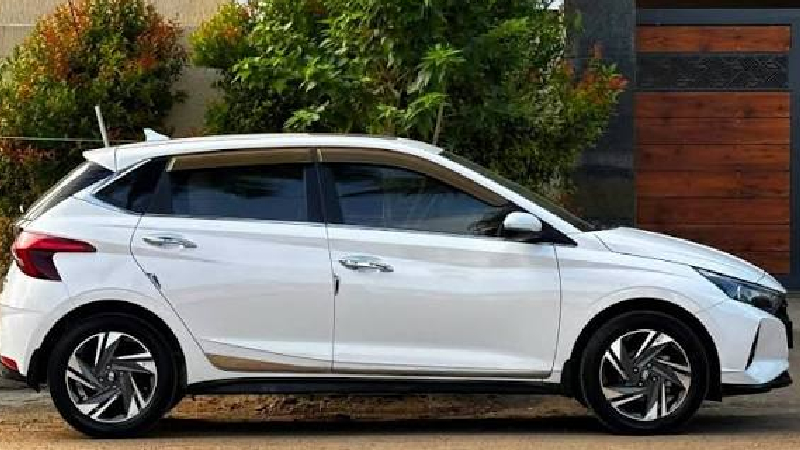
A practical guide to preparing your car for a long-distance journey, including essential checks for tyres, brakes, fluids, documents, fuel and driver comfort.
A long-distance drive can be one of the best ways to enjoy a road trip, explore new destinations and travel at your own pace. Whether you are heading towards the mountains, planning a family holiday, or taking a self-drive car for an outstation journey, a little preparation can make the entire experience smoother and more comfortable.
Before putting kilometres behind you, it is worth spending a few minutes checking the vehicle, planning the route and preparing everything you may need on the road. A well-prepared car not only makes the journey more comfortable but also helps you handle unexpected situations with greater confidence.
Why a Pre-Drive Check Matters for Long Journeys
Short city trips and long highway journeys place very different demands on a vehicle. During a long drive, the car may remain on the road for several hours, encounter changing weather conditions and cover hundreds of kilometres without a convenient place to stop for assistance.
Checking the important components before departure can help identify simple issues before they become inconvenient during the journey. It is especially useful when travelling with family, carrying luggage or driving through unfamiliar routes.
1. Inspect the Tyres Before Leaving
Tyres are among the first things you should check before a long-distance drive. Make sure all four tyres have suitable air pressure according to the manufacturer's recommendation. Do not forget to inspect the spare tyre as well.
Look for visible cuts, cracks, uneven wear or anything unusual on the tyre surface. If the tread appears excessively worn, it is better to address the problem before beginning a long highway journey.
- Check tyre pressure.
- Inspect tread condition.
- Look for cuts, cracks or bulges.
- Check the spare wheel.
- Keep the necessary tools for changing a tyre.
2. Check the Brakes and Other Important Controls
Braking performance becomes particularly important on highways, steep roads and busy stretches of traffic. Pay attention to unusual sounds, vibrations or changes in braking response before starting your trip.
If something does not feel normal while braking, have the vehicle inspected before travelling. The same applies to the steering and other controls that directly affect how the vehicle responds on the road.
3. Check Engine Oil and Other Fluids
Engine oil plays an important role in keeping the engine running smoothly. Before a long journey, check that the oil level is within the recommended range. Depending on the vehicle, you should also check coolant, brake fluid and windscreen washer fluid.
A clean windscreen and properly functioning washer system may seem like small details, but they become especially useful when driving through dust, rain or insects on a highway.
4. Make Sure the Lights Are Working
Good visibility is essential when driving after sunset, during rain or through poorly lit roads. Check the headlights, brake lights, indicators, reverse lights and hazard lights before departure.
If your journey includes mountain roads or areas where weather can change quickly, properly functioning lights become even more important.
5. Plan Your Route Before You Start
A reliable route plan can save time and reduce unnecessary stress. Check the main route, expected driving time, toll sections, fuel stations and suitable stopping points before leaving.
If you are travelling towards destinations such as Shimla, Manali, Dharamshala, Dalhousie or other hill regions, allow additional time for bends, elevation changes, traffic and weather conditions. Avoid planning a mountain journey based only on the distance shown on a map.
6. Start With Enough Fuel
Do not wait until the fuel level becomes very low before searching for a fuel station. On major highways, fuel stations are generally easier to find, but remote routes and mountain stretches can have longer gaps between facilities.
Check the route in advance and plan fuel stops according to the distance you expect to cover. This is particularly helpful when travelling through less populated areas.
7. Carry Essential Documents
Keep all necessary vehicle and personal travel documents ready before starting your journey. Depending on the vehicle and your travel requirements, these may include a valid driving licence, vehicle documents and insurance-related information.
If you are travelling in a self-drive rental car, also keep the rental information and emergency contact details easily accessible. Having important information ready can make roadside situations much easier to manage.
8. Pack for the Journey, Not Just the Destination
Long-distance driving is more comfortable when the things you may need during the journey are easy to reach. Keep drinking water, basic snacks, sunglasses, tissues, phone charging equipment and any personal essentials within convenient reach.
Avoid filling the cabin with unnecessary luggage. Arrange bags securely in the boot and make sure they do not obstruct visibility or interfere with the driver's controls.
9. Choose a Car That Suits Your Route
The right vehicle can make a significant difference to a road trip. A compact car may be ideal for couples or small groups, while a larger vehicle can offer additional space for family travel and luggage.
For travellers considering a self drive car for an outstation trip, RBTS Self Driven Cars offers different vehicle options that can suit different travel requirements. Before selecting a car, consider the number of passengers, luggage space, route conditions and expected driving distance.
Popular Cars for Different Road Trip Requirements
Maruti Baleno 1.2L Delta AGS Ptl is a practical option for travellers looking for a comfortable hatchback for highway journeys. Its compact size can also be convenient when navigating busy city streets before or after the main road trip.
Maruti Baleno 1.2L Zeta AGS Ptl can be considered by travellers who want a comfortable hatchback with an automatic gearbox for a relaxed driving experience on longer routes.
Hyundai I20 Asta MT with Sunroof PTL is an appealing choice for travellers who enjoy a refined hatchback experience and want additional comfort features during a leisure road trip.
Maruti Ignis 1.2L Zeta MT Petrol is a compact option for travellers who prefer an easy-to-handle car for mixed city and highway travel.
10. Take Breaks During a Long Drive
Reaching the destination quickly should not be the only goal of a long-distance journey. Sitting behind the wheel continuously for several hours can lead to tiredness and reduced concentration.
Plan sensible breaks during the journey. Stop at safe locations, stretch your legs, drink water and give yourself time to relax. If more than one person can drive and is legally permitted to do so, sharing the driving responsibility can also make a long journey easier.
11. Check Weather and Road Conditions
Weather can have a major effect on a road trip, particularly when travelling towards hilly areas. Before departure, check the expected weather along your route rather than looking only at conditions in your starting city.
Rain, fog, strong winds and other conditions may affect visibility and road speeds. Give yourself extra time when conditions are uncertain and avoid rushing simply to stay on schedule.
12. Keep Your Phone Ready Without Distracting Yourself
A fully charged phone can be useful for navigation, emergency calls and checking important travel information. Carry a suitable charging cable or power bank for longer journeys.
At the same time, avoid using the phone while driving. Set your navigation before leaving or use a hands-free system so that your attention remains on the road.
13. Know Where You Can Stop Along the Route
A good road trip is not only about reaching the destination. Knowing where you can stop for meals, fuel and short breaks makes the journey much more predictable.
When travelling with children or elderly family members, consider their comfort while choosing stopping points. A few planned breaks can make several hours on the road feel considerably easier.
A Simple Long-Distance Drive Routine
- Inspect the tyres and spare wheel.
- Check engine oil and essential fluids.
- Test the lights and indicators.
- Pay attention to brake and steering performance.
- Fill the fuel tank appropriately.
- Keep vehicle and driving documents ready.
- Plan the route and suitable stopping points.
- Check weather and road conditions.
- Secure luggage properly.
- Carry a charged phone and essential accessories.
- Plan breaks instead of driving continuously.
Make the Journey Part of the Experience
A long-distance road trip becomes much more enjoyable when the vehicle is prepared, the route is understood and the driver has enough time to travel without unnecessary pressure. From checking the tyres and fluids to selecting a suitable self-drive car, these simple steps can help you begin your journey with greater confidence.
Whether your plans involve a weekend getaway, a family road trip or a longer outstation adventure, taking a few minutes to prepare before departure can make a noticeable difference. With the right car, sensible planning and responsible driving, the road itself can become an important part of the travel experience.
Planning Your Next Self-Drive Road Trip?
Choose a car according to your route, passengers and luggage requirements, prepare it properly before departure and enjoy the freedom of travelling at your own pace with RBTS Self Driven Cars.